



This collection features high-quality products carefully selected for our customers. Browse our selection to find exactly what you're looking for.
Choosing Tile Spacers and Wedges: Joint Sizes, Types and Applications
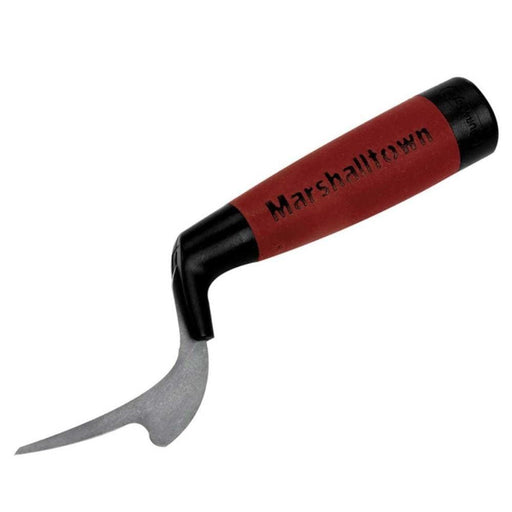
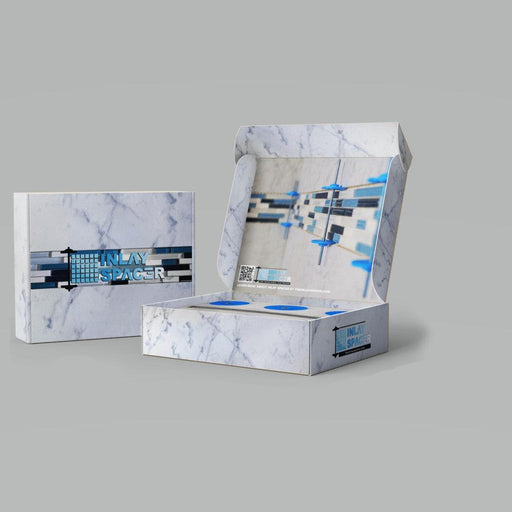
Tile spacers help maintain consistent grout-joint widths during ceramic, porcelain and stone installations. Choose cross spacers, T-shaped spacers, horseshoe shims or tile wedges based on tile layout, joint width and whether the spacer is designed to be removed or left in place. The collection includes RTC, Barwalt, Tavy and Marshalltown accessories.
Tile Spacer Types and Where to Use Them
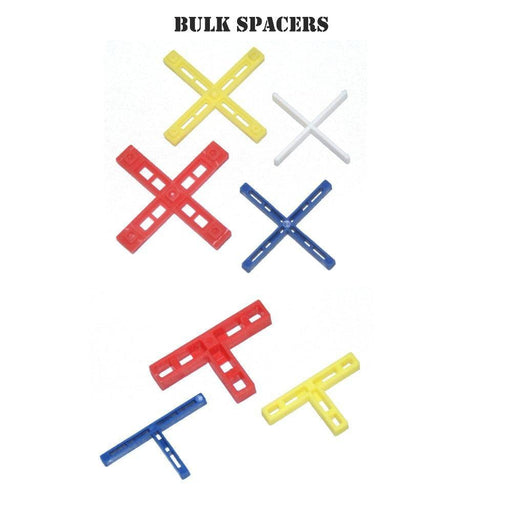
- Cross and T-Shaped Tile Spacers: Help align joints at intersections or along staggered and perimeter layouts. Check the intended use and whether the product is removable or leave-in.
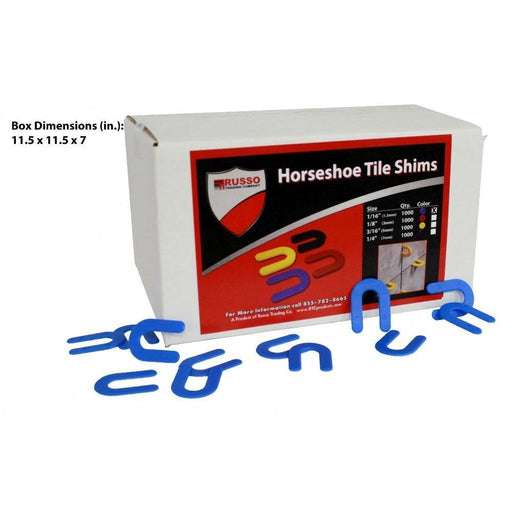
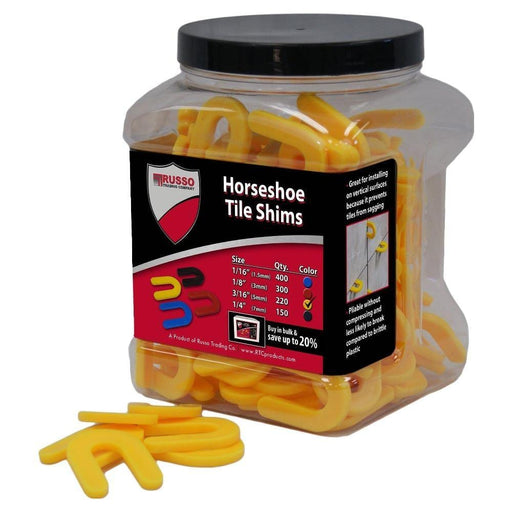
- Horseshoe Tile Spacers and Shims: Useful for supporting and adjusting tile spacing on walls and vertical installations. Confirm thickness and load suitability.
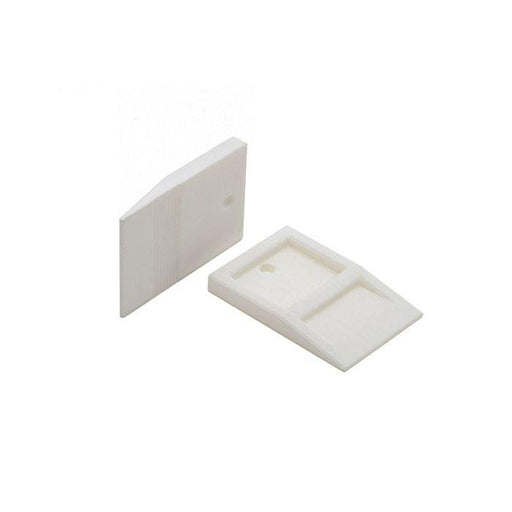
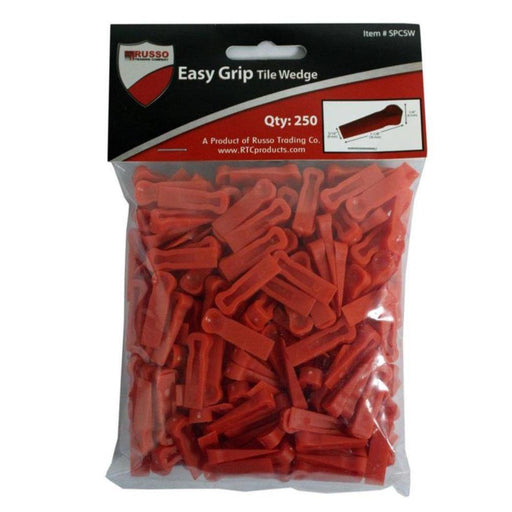
- Tile Wedges: Allow incremental adjustment around walls, edges and uneven transitions. They are not a substitute for a dedicated tile leveling system where lippage control is required.
How to Choose Tile Spacer Sizes
- Desired Grout-Joint Width: Select the spacer size specified by the project design and suitable for the tile and grout system.
- Tile Size Variation: Check actual tile dimensions and manufacturer guidance. Joint width may need to accommodate dimensional variation and installation requirements.
- Wall vs. Floor Layout: Consider tile weight, layout, movement joints and whether the spacer must provide temporary support.
Pro Tip: Dry-lay several tiles and measure their actual size variation before choosing a narrow joint. Follow tile and grout manufacturers' recommendations, and keep movement joints free of rigid spacers or grout.
Frequently Asked Questions About Tile Spacers and Wedges
What size tile spacers should I use?
The correct tile spacer size depends on tile dimensional variation, layout, desired joint appearance and the grout manufacturer's minimum joint-width requirements. Check tile specifications rather than assuming a single size works for all ceramic or porcelain tiles.
Are tile wedges the same as tile leveling clips?
No. Tile wedges and shims adjust position or support spacing. Tile leveling systems use compatible clips, wedges or caps to help control adjacent tile alignment during setting.
Should I remove tile spacers before grouting?
Remove spacers intended for temporary use at the stage recommended by the manufacturer. Only leave in products specifically designed and approved to remain embedded, and maintain adequate grout depth.
How many tile spacers do I need?
Estimate from the tile layout, number of joints, placement method and whether spacers are reused. Allow extra for cuts, corners and breakage.