




This collection features high-quality products carefully selected for our customers. Browse our selection to find exactly what you're looking for.
Choosing Grout Floats for Tile Installation
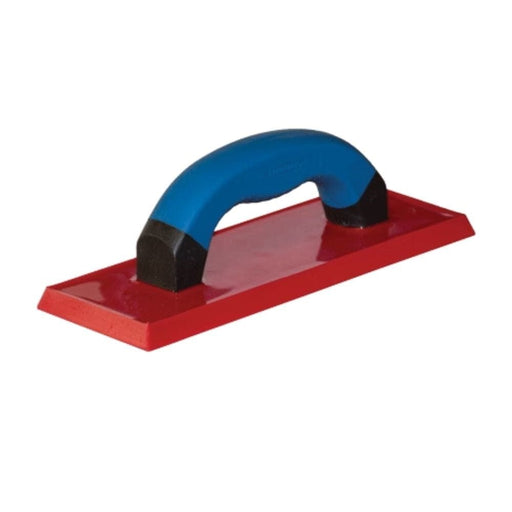
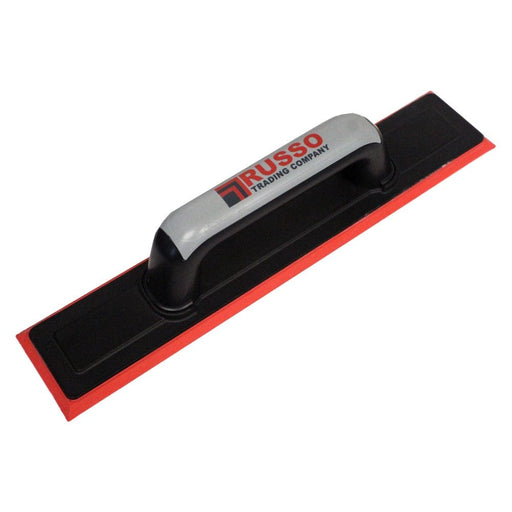
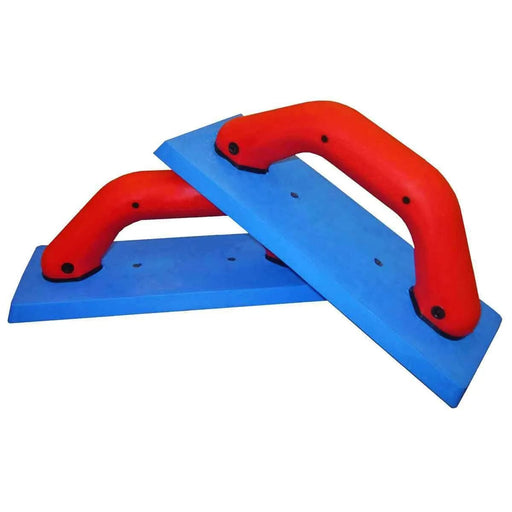
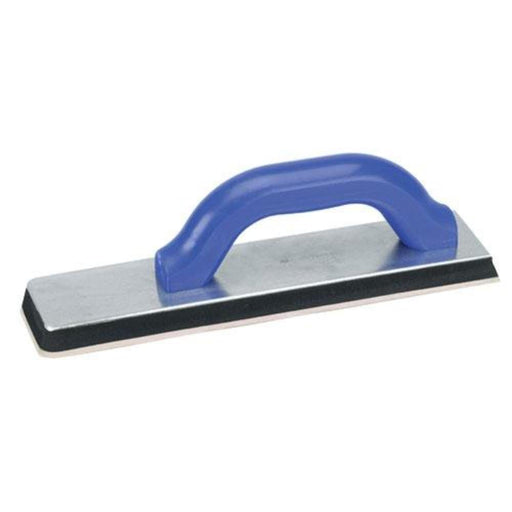
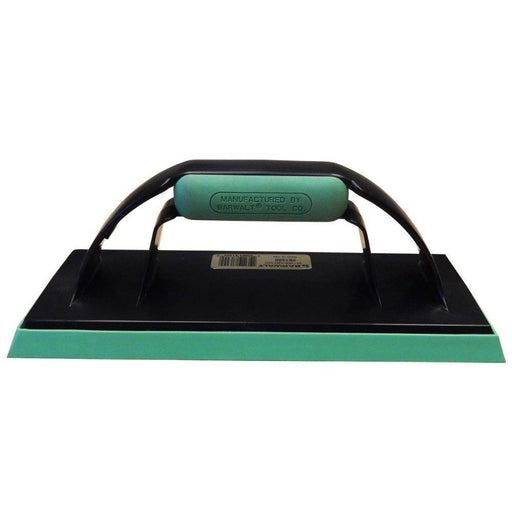
A grout float helps work grout into tile joints and remove excess material from the surface. The best grout float for your job depends on grout chemistry, joint width, tile texture and working area. This collection includes rubber grout floats, epoxy floats, compact floats and replacement pads for professional tile installations.
Types of Grout Floats
- Rubber Grout Floats: Commonly used for cementitious grout applications. Compare pad firmness, edge design and the tile surface.
- Epoxy Grout Floats: Choose a float approved for the specific epoxy grout system, with the durability and release characteristics required.
- Compact and Specialty Floats: Useful around corners, fixtures and restricted work areas where a full-size float is difficult to control.
How to Select a Grout Float
- Grout Compatibility: Follow the grout manufacturer's recommendations for float type and cleanup procedure.
- Tile Surface: Consider polished, textured or sensitive finishes and choose tools that will not damage the surface.
- Handle and Pad Design: Compare comfort, edge access, pad replacement options and size for the job.
Pro Tip: Hold the float at an appropriate angle while packing joints and removing excess grout. Follow the grout manufacturer's working and wash times to avoid pulling material out of the joints.
Frequently Asked Questions About Grout Floats
What grout float should I use for ceramic or porcelain tile?
Choose a float compatible with the grout chemistry and tile finish. Rubber grout floats are common for many cementitious grout jobs, while specialty products may be specified for epoxy or other materials.
Can I use a regular rubber grout float with epoxy grout?
Use a float specifically recommended for the epoxy grout product. Some standard floats are not suitable for the material or cleaning process.
When should I replace a grout float?
Inspect the pad for uneven wear, hardened residue, cracking or damage that affects grout placement or could mark tile surfaces.