







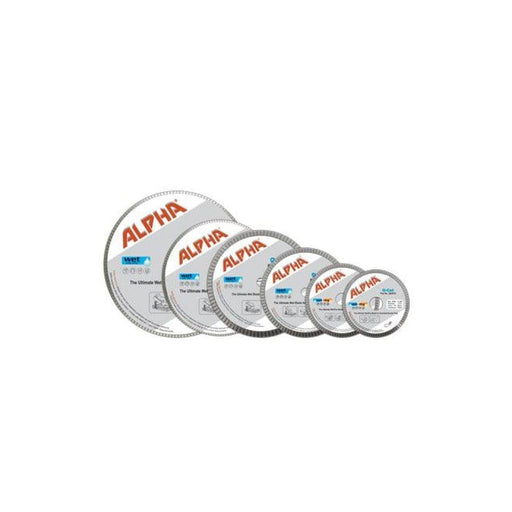



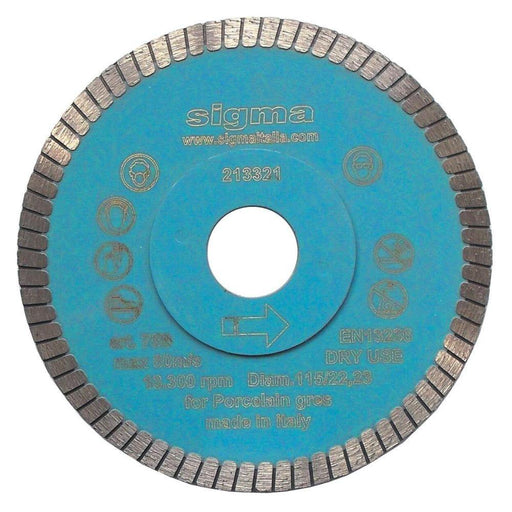
This collection features high-quality products carefully selected for our customers. Browse our selection to find exactly what you're looking for.
Choosing the Right Diamond Blade for Tile: A Professional Guide
A diamond blade should match the material, saw or grinder, and cut quality required for the job. Porcelain, ceramic, glass, and natural stone can call for different rim designs and cutting methods. Use this guide to compare tile-cutting diamond blades before selecting a diameter and arbor size.
Diamond Blade Types and Applications
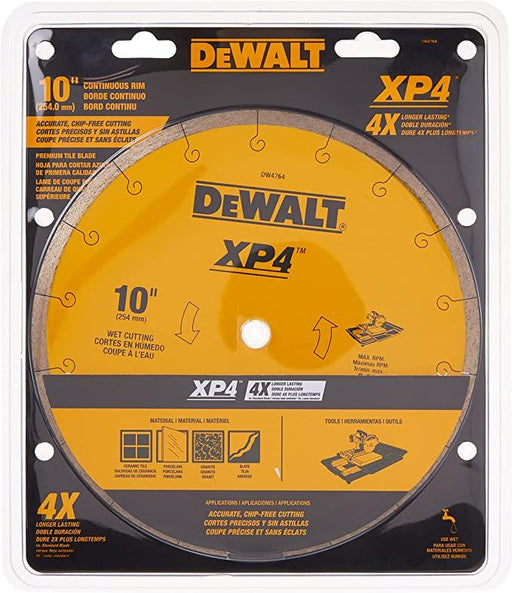
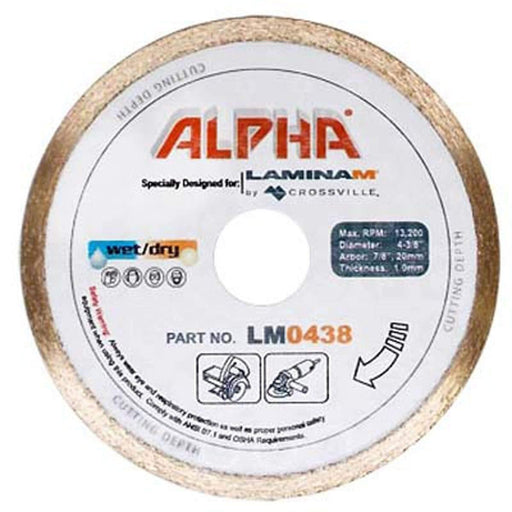
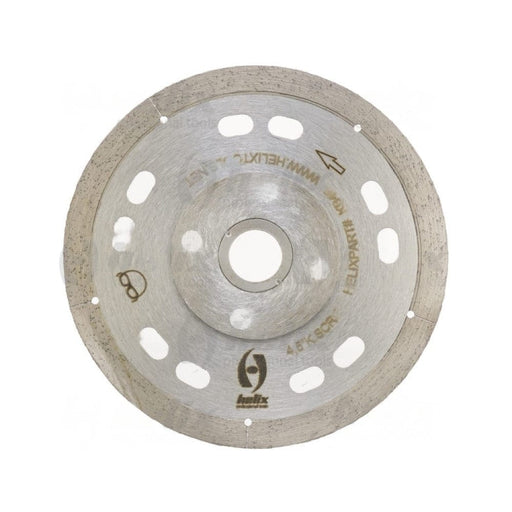
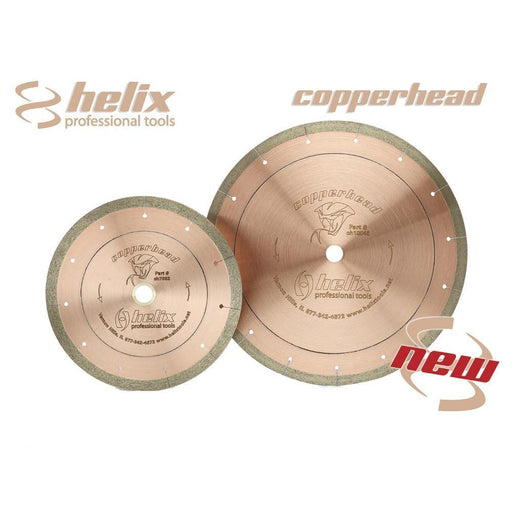
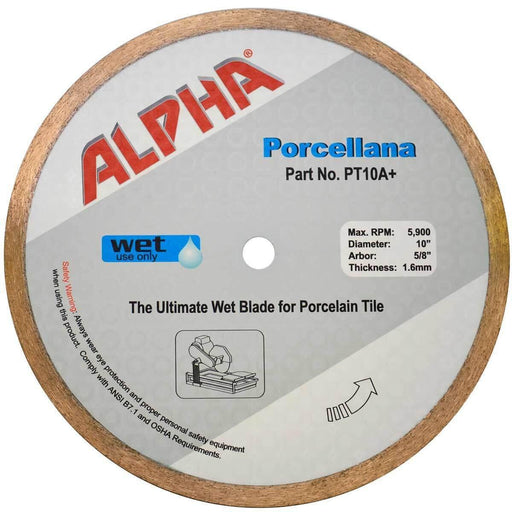
- Continuous-Rim Blades: Often chosen for cleaner edge finishes on ceramic, porcelain, or glass when the blade is specifically rated for the material. Check the product's wet/dry requirements.
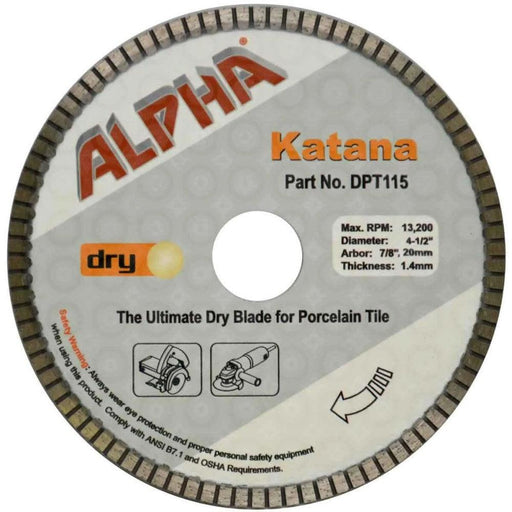
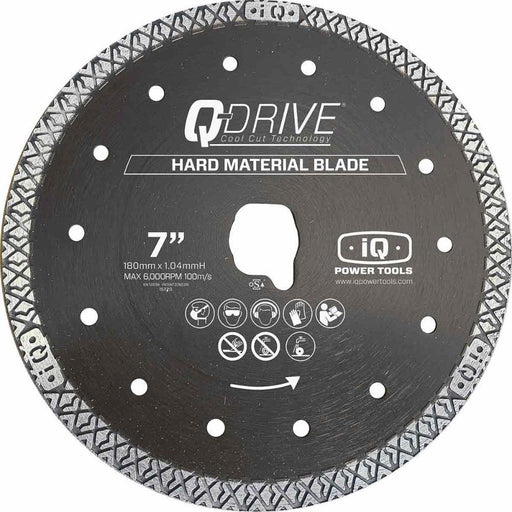
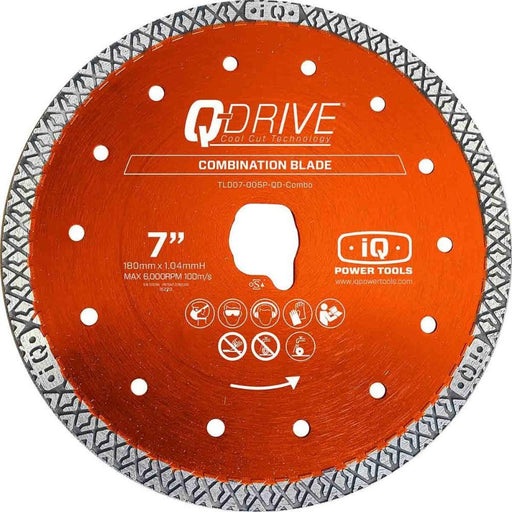
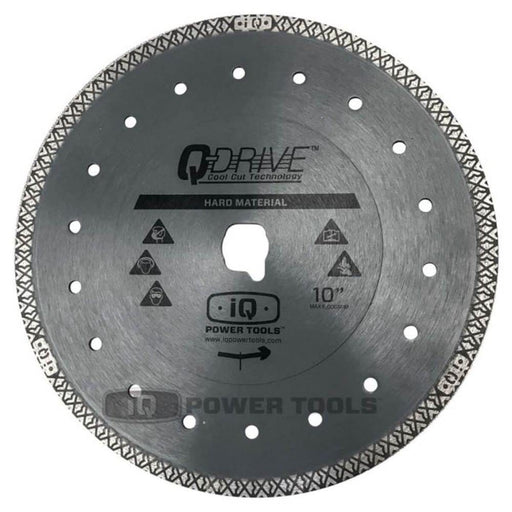
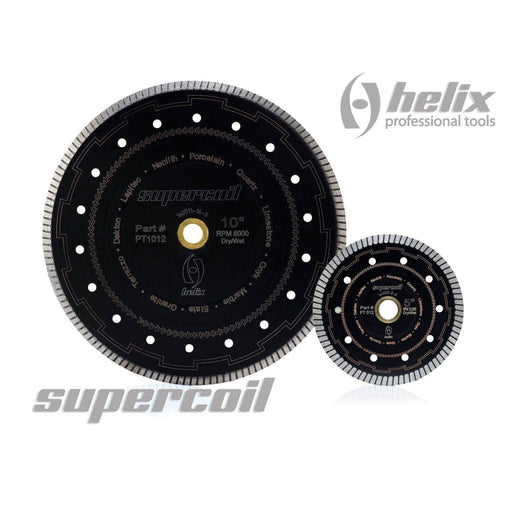
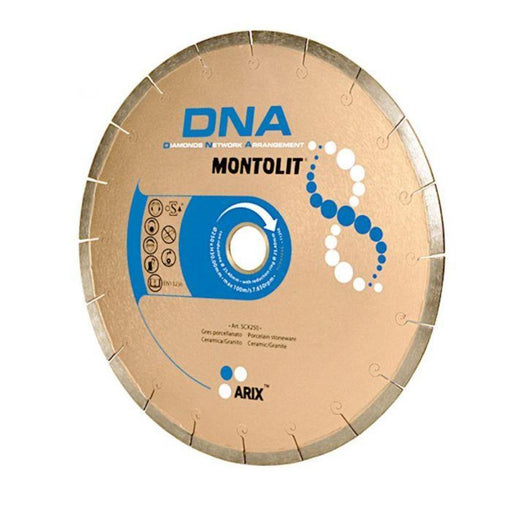
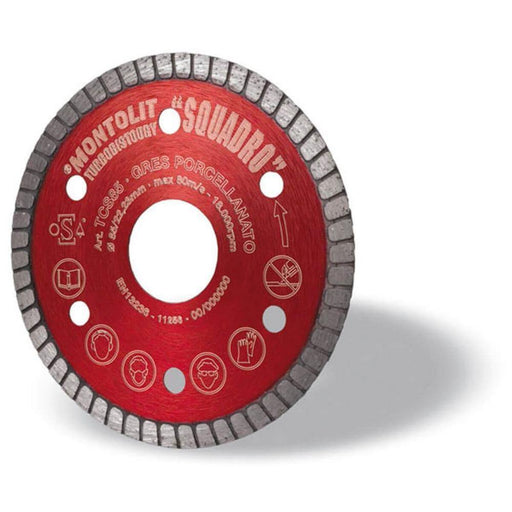
- Turbo and Mesh-Rim Blades: Designed for cutting applications where speed and edge finish must be balanced. Suitability varies by blade construction and tile material.
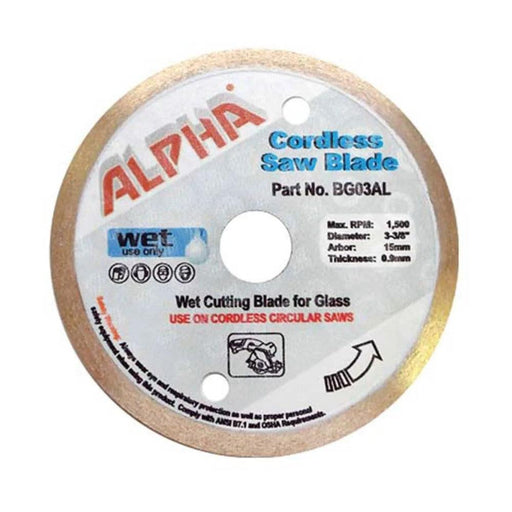
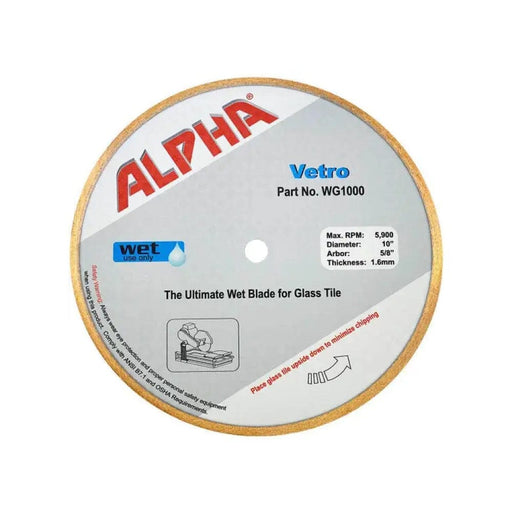
- Specialty Glass and Porcelain Blades: Use a blade explicitly rated for the material being cut. Glass and dense porcelain can require different cutting characteristics and operating techniques.
Wet Cutting vs. Dry Cutting
- Wet-Cut Diamond Blades: Used with compatible wet tile saws and adequate water flow for cooling and dust control. Follow both the saw and blade manufacturers' instructions.
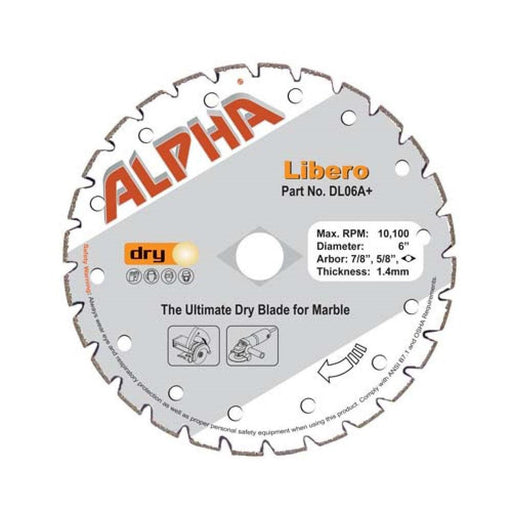
- Dry-Rated Diamond Blades: Use only on compatible tools and within the blade manufacturer's operating limits, with appropriate dust controls and personal protective equipment. Do not assume every diamond blade can be run dry.
Key Specifications to Check Before You Buy
- Blade Diameter and Arbor: Match the stated blade diameter, arbor or mounting system, and allowable blade dimensions to your saw or grinder.
- Material Compatibility: Confirm the blade is intended for porcelain, ceramic, glass, or the specific natural stone you are cutting.
- Operating Speed and Cut Quality: Check the maximum rated RPM, wet/dry instructions, and whether the blade is intended for a fine finish or a faster cut.
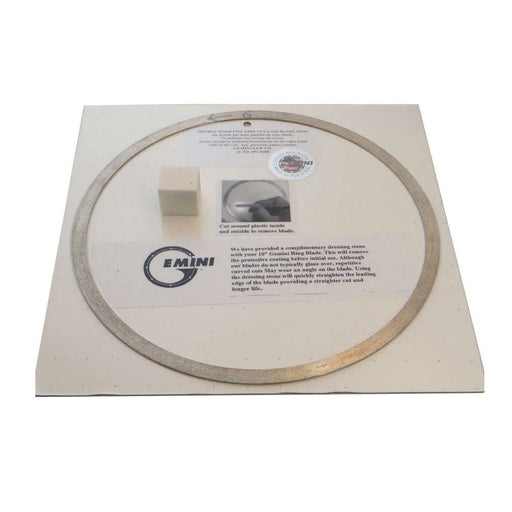
Pro Tip: A blade that cuts slowly, overheats, or starts chipping unexpectedly may need inspection, cleaning or dressing—but first check blade condition, water flow (for wet cutting), and material compatibility. Never exceed the blade's RPM rating, and replace damaged blades rather than attempting to restore them.
Frequently Asked Questions About Diamond Tile Cutting Blades
What diamond blade should I use for porcelain tile?
Choose a diamond blade specifically rated for porcelain and compatible with your cutting tool. For visible edges, look for a blade designed to prioritize a clean finish; for other work, a different rim style may suit the application. Check each product's specifications rather than relying on rim style alone.
Can I use the same diamond blade for porcelain and glass tile?
Only if the manufacturer specifically rates that blade for both materials. Glass is prone to edge chipping and may require a specialty glass-cutting blade and a different cutting technique.
Are all diamond tile blades suitable for wet and dry cutting?
No. Some blades are wet-cut only, while others are rated for dry use or both methods. Follow the blade and equipment manufacturers' instructions, including cooling, dust-control, and RPM requirements.