








This collection features high-quality products carefully selected for our customers. Browse our selection to find exactly what you're looking for.
Professional Guide to Drilling Porcelain and Natural Stone
To a professional installer, a burnt-out drill bit is wasted money. Drilling into today's vitrified porcelain tiles requires a specific technique and the right equipment to ensure a clean finish without tile breakage.
Dry vs. Wet Drilling: What’s the Difference?
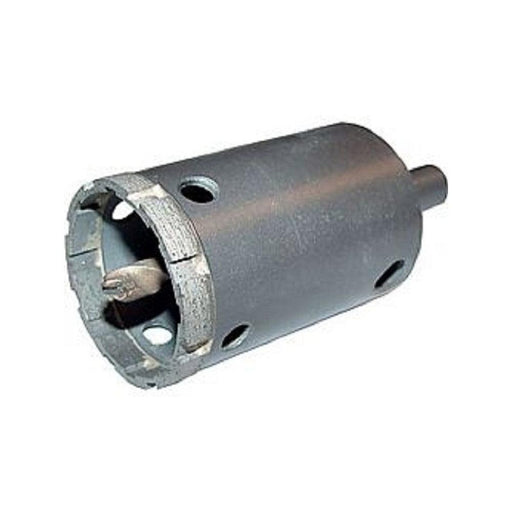
- Dry Drill Bits (Vacuum Brazed): These are the most popular choice for 2026. These bits use a high concentration of diamonds vacuum-brazed to the tip, allowing them to cut without water. They are ideal for quick holes for towel bars or toilet bolts.
- Wet Drill Bits: When you are drilling through thick natural stone or extremely hard porcelain slabs, a wet bit (using a water cooling system) will significantly extend the life of the tool.
Pro Tips for Extending Bit Life
- The "Start at an Angle" Technique: Never start a diamond bit flat against the tile. Start at a 45-degree angle to "score" the surface and create a seat, then slowly bring the drill to a 90-degree position.
- Speed Management: High RPMs generate high heat. We recommend using a variable-speed grinder or drill and "feathering" the trigger to prevent the diamonds from glazing over.
- Cooling Breaks: Even with dry bits, pulling the bit out of the hole every 5–10 seconds to let it spin in the air helps dissipate heat.
Pro Tip: If you are drilling multiple holes in a row, keep a wet sponge or a cup of water nearby to dip the bit into between holes. This small step can double the lifespan of your RTC or Marshalltown diamond bits.
4. Drill Bit FAQ Content
Question: What is the best drill bit for porcelain tile?
Answer: For 2026, Vacuum Brazed Diamond Core Bits are the industry standard for porcelain. They offer the fastest cutting speed and do not require constant water cooling for standard fixture holes.
Question: Can I use a regular masonry bit on tile?
Answer: No. A standard carbide masonry bit will likely crack the tile or "skate" across the surface, ruining the glaze. You must use a diamond-tipped bit specifically rated for porcelain or stone.
Question: How many holes will a diamond drill bit last?
Answer: A high-quality diamond bit typically lasts for 15 to 30 holes in dense porcelain, depending on the thickness of the material and the cooling technique used by the installer.