







This collection features high-quality products carefully selected for our customers. Browse our selection to find exactly what you're looking for.
Professional Guide to Drilling Porcelain and Natural Stone
To a professional installer, a burnt-out drill bit is wasted money. Drilling into today's vitrified porcelain tiles requires a specific technique and the right equipment to ensure a clean finish without tile breakage.
Dry vs. Wet Drilling: What’s the Difference?
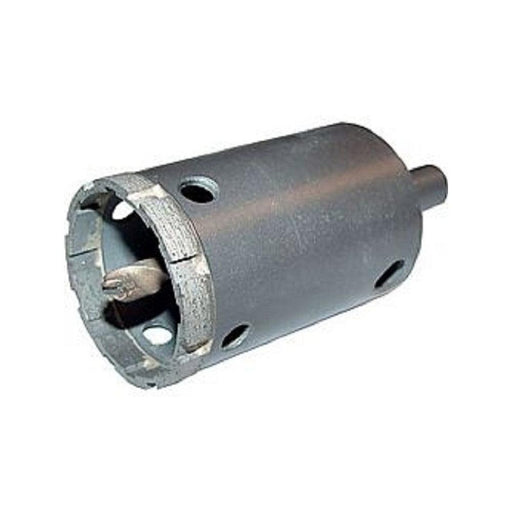
- Dry Drill Bits (Vacuum Brazed): These are the most popular choice for 2026. These bits use a high concentration of diamonds vacuum-brazed to the tip, allowing them to cut without water. They are ideal for quick holes for towel bars or toilet bolts.
- Wet Drill Bits: When you are drilling through thick natural stone or extremely hard porcelain slabs, a wet bit (using a water cooling system) will significantly extend the life of the tool.
Pro Tips for Extending Bit Life
- The "Start at an Angle" Technique: Never start a diamond bit flat against the tile. Start at a 45-degree angle to "score" the surface and create a seat, then slowly bring the drill to a 90-degree position.
- Speed Management: High RPMs generate high heat. We recommend using a variable-speed grinder or drill and "feathering" the trigger to prevent the diamonds from glazing over.
- Cooling Breaks: Even with dry bits, pulling the bit out of the hole every 5–10 seconds to let it spin in the air helps dissipate heat.
Pro Tip: Follow the drill-bit manufacturer's cooling and operating instructions. Water cooling is appropriate only for wet-rated bits; dry-rated bits require their specified technique and heat management. Inspect the bit regularly for wear.
Frequently Asked Questions About Tile Drill Bits
What drill bit works best for porcelain tile?
Choose a bit specifically rated for porcelain and suitable for the required hole diameter. Dry-rated and wet-rated diamond core bits are available; select the appropriate type for your tool and follow its RPM and cooling instructions.
Can I use a regular masonry bit on ceramic or porcelain tile?
Bit suitability depends on the tile material and the manufacturer's rating. Some carbide-tipped bits may be suitable for certain softer ceramic tiles, but dense porcelain generally requires a bit specifically rated for porcelain, often a diamond core bit. Follow the tool and bit manufacturers' instructions, use the specified cooling method, and avoid excessive pressure.
How long do diamond drill bits last when drilling porcelain tile?
The lifespan of a diamond drill bit depends on the bit's construction, porcelain hardness and thickness, hole diameter, drilling speed, pressure, and cooling method. Professional diamond core bits can offer substantially different service lives, so there is no universal number of holes you should expect from every bit. For maximum performance, follow the manufacturer's recommended drilling speed and cooling instructions. Use water or an approved dry-drilling method according to the specific bit's design, and avoid excessive pressure and overheating. When comparing drill bits, check the manufacturer's stated performance specifications for your material and application.