










This collection features high-quality products carefully selected for our customers. Browse our selection to find exactly what you're looking for.
Choosing Tile Trowels and Notch Sizes: A Professional Guide
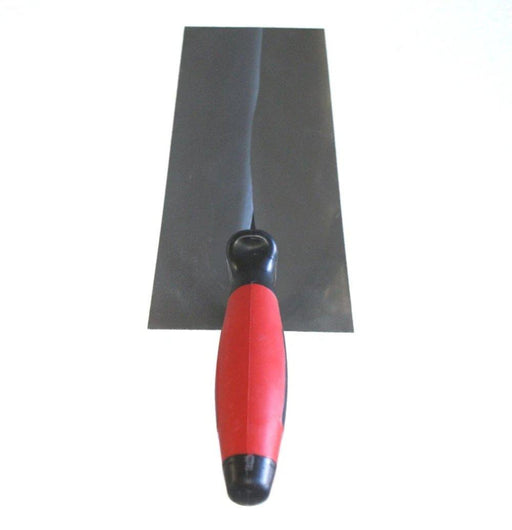
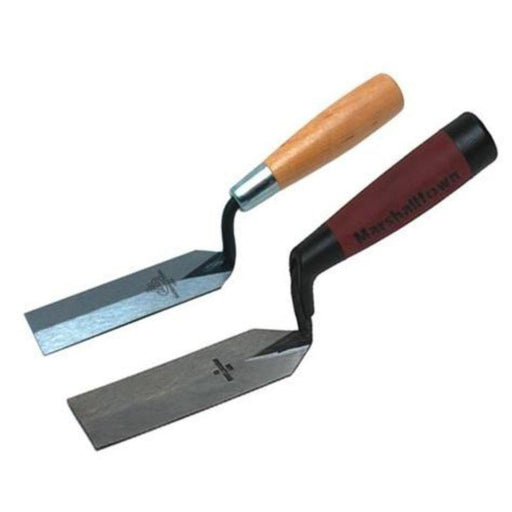
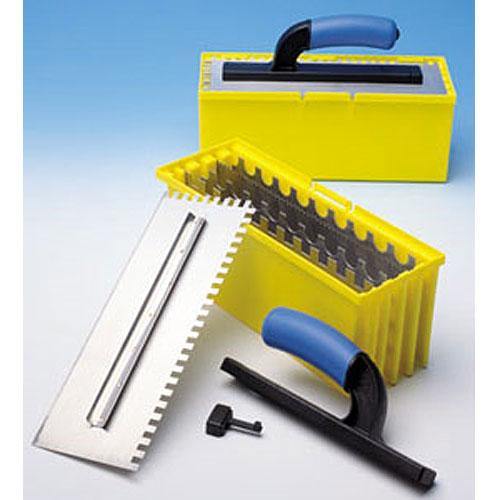
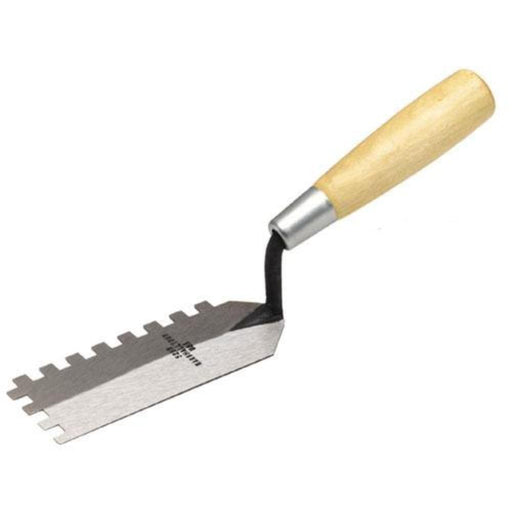
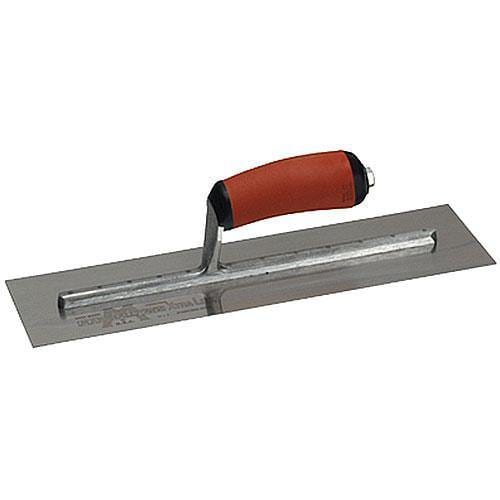
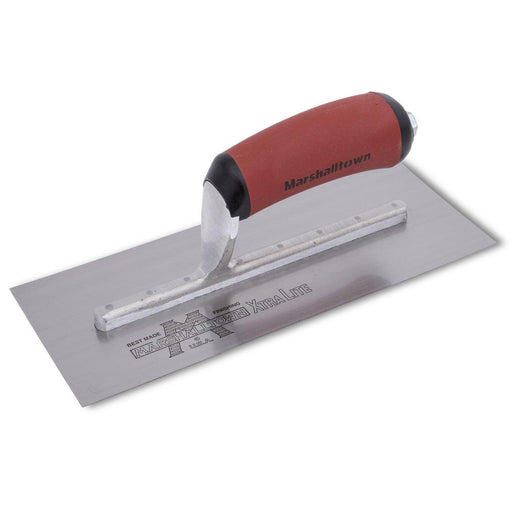
The right tile trowel helps spread setting material consistently and achieve the mortar coverage required for the installation. Browse square-notch, U-notch, V-notch, margin, bucket, and specialty trowels along with interchangeable-blade systems.
Common Tile Trowel Styles
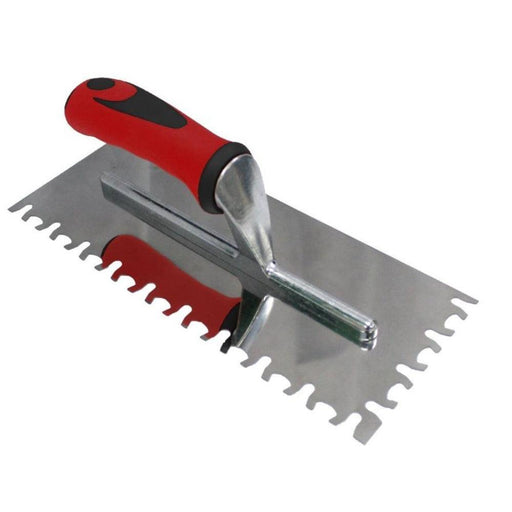
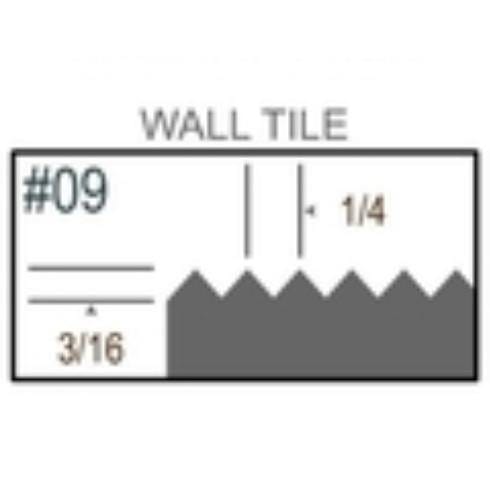
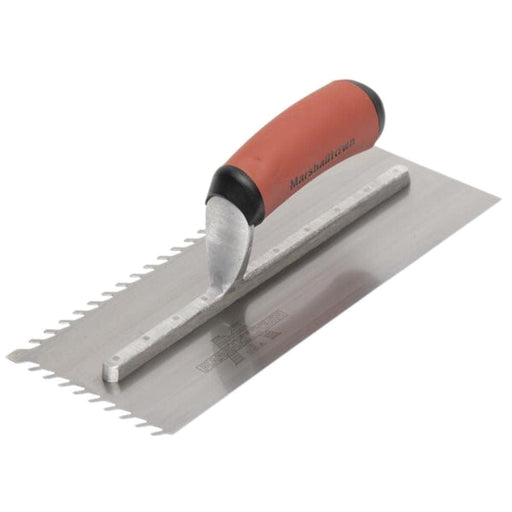
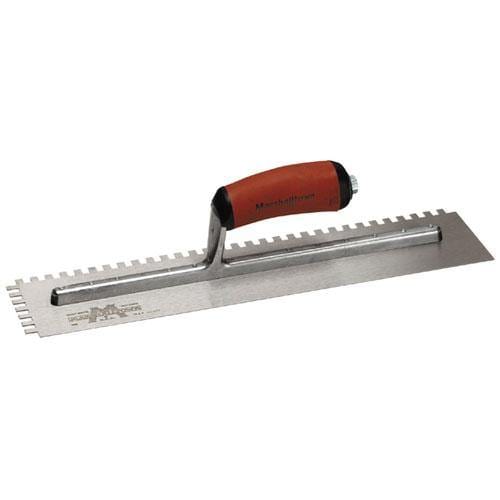
- Square-Notch Trowels: Common for spreading thinset mortar across floor and wall tile installations; choose a notch size appropriate to the tile and substrate.
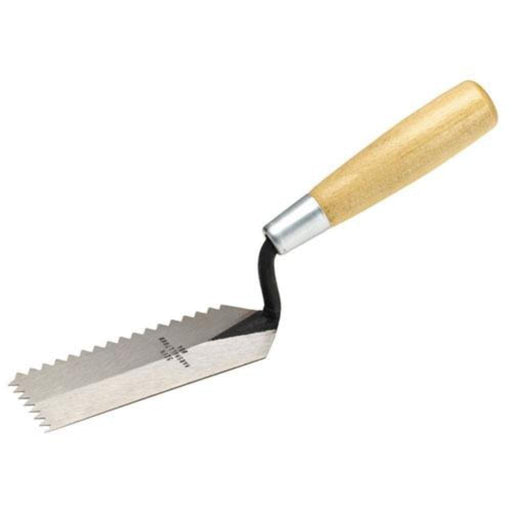
- U-Notch and V-Notch Trowels: Alternative ridge profiles for applications specified by the mortar or tile manufacturer.
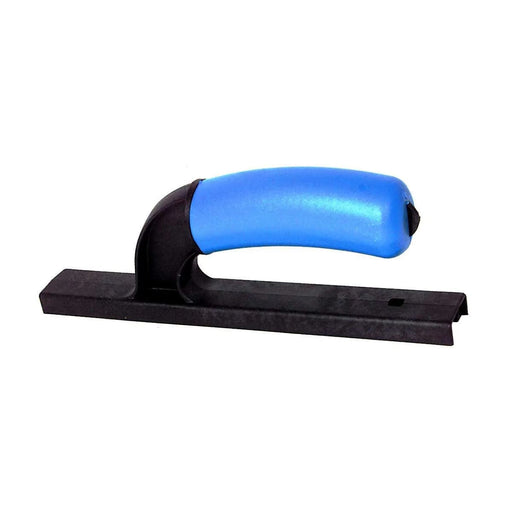
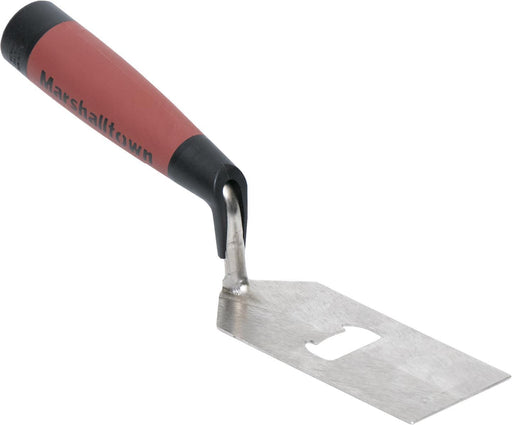
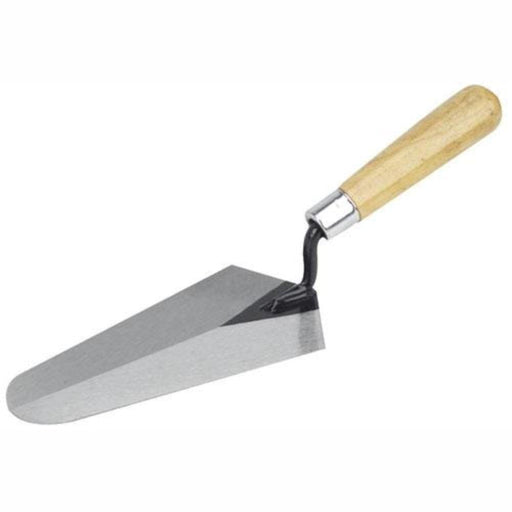
- Margin, Bucket and Specialty Trowels: Useful for working in tight areas, transferring material, and completing detail work.
What to Check Before Choosing a Notch Size
- Tile Format and Back Profile: Tile dimensions and back texture affect mortar transfer and the notch size needed.
- Substrate Flatness: Prepare surfaces to the applicable flatness requirements rather than using an oversized notch to correct significant irregularities.
- Mortar Coverage: Lift a freshly embedded tile to verify actual coverage against the installation requirements; notch dimensions alone do not guarantee coverage.
Pro Tip: Comb mortar ridges consistently in one direction and collapse them using the tile and mortar manufacturer's recommended embedding method. Verify coverage periodically as conditions change.
Frequently Asked Questions About Tile Trowels
What trowel notch size should I use for porcelain tile?
There is no single notch size for every porcelain tile. Select a trowel based on tile size, back profile, mortar instructions, substrate condition, and verified mortar coverage.
What is the difference between square-notch and U-notch trowels?
The notch shape changes the profile of mortar ridges. The appropriate choice depends on application needs and the setting-material manufacturer's recommendations.
Can a larger trowel notch compensate for an uneven floor?
Not reliably. Correct substrate flatness first and confirm suitable mortar coverage; excessive mortar thickness can create installation problems.